


A nursing program asks a laptop to do several jobs at once. You sit through a lecture with slides open, a care-plan template in another window, and a video call running in the background. Then you pack it up and carry it across campus to a clinical rotation, where the nearest outlet may be nowhere near your seat.
That mix is why the cheapest listing is rarely the right one, and why the most expensive is not automatically the answer either. I looked at the memory, storage, display, battery, and weight each model actually lists, then compared how those numbers line up with note-taking, document work, and video calls. My overall pick for best laptops for nursing students is the HP 2027 Everyday Laptop, Intel CPU, 128GB Storage. It lists a light 3.24 lb body and a 14-inch anti-glare screen, which suits long study sessions and a bag that gets carried all day.
My top picks are just below.
Best Laptops for Nursing Students at a Glance
| Product | PGH Score | ||
|---|---|---|---|

|
Best Overall HP 2027 Everyday Laptop with Intel N150 and 128GB | 9.8 | Check Price on Amazon |

|
Best for Students HP 14" Student Laptop with Intel N150 and 628GB | 9.8 | Check Price on Amazon |
|
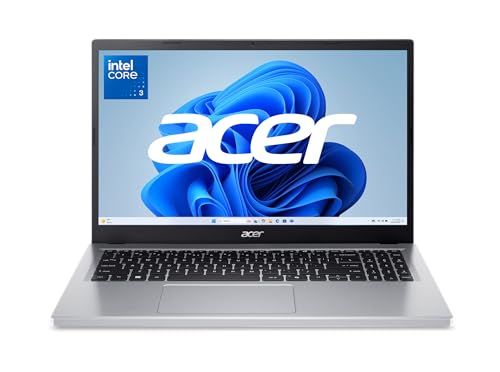
Acer Aspire Go 15 Laptop with 15.6-Inch FHD IPS | 9.8 | Check Price on Amazon |

|
DRKAKO 15.6" FHD IPS Student Laptop with 12GB RAM | 9.6 | Check Price on Amazon |

|
Best for Light Coursework HP 14 Ultra-Light Laptop with Intel N150 and 14" | 9.4 | Check Price on Amazon |

|
Apple MacBook Neo 13-inch Laptop with A18 Pro Chip | 9.4 | Check Price on Amazon |
In-Depth Reviews
The HP 2027 Everyday Laptop packs an Intel N150 quad-core CPU, 4GB LPDDR5 RAM, and 128GB UFS storage in a 3.24 lb chassis with a 14-inch anti-glare display.
Key Facts
- Key Spec
- Intel N150 Quad-Core, up to 3.6 GHz, 6MB L3 Cache
- Memory
- 4GB LPDDR5-4800
- Storage
- 128GB UFS
- Connectivity
- Wi-Fi 6, Bluetooth 5.4, USB-C 10Gbps, 2x USB-A 5Gbps, HDMI 1.4b
Pros
- +Light 3.24 lb build and 0.71-inch slim profile
- +USB-C with DisplayPort 1.2 and HDMI 1.4b video output
- +Wi-Fi 6 and Bluetooth 5.4 wireless connectivity
- +720p HD camera with temporal noise reduction
Cons
- −4GB soldered RAM limits heavy multitasking headroom
- −128GB UFS storage fills quickly with local files
- −250-nit panel struggles in bright rooms
Detailed Review
The HP 2027 Everyday Laptop centers on an Intel N150 quad-core processor with a 3.6 GHz turbo ceiling and 6MB L3 cache, a chip built for documents, email, and browser tabs rather than heavy creative work. Its 14-inch anti-glare panel runs 250 nits at 62.5% sRGB, so I would keep it for indoor desks and dimmer rooms instead of sunny windows.
The 4GB of LPDDR5-4800 memory and 128GB UFS storage are the real story here, since both are soldered and set the ceiling on how many apps and files the machine can juggle. UFS storage boots and launches apps faster than a spinning drive, which suits a student or remote worker who mostly lives in a browser and Office 365.
At 3.24 lbs and 0.71 inches thick, it slides into a backpack for commutes and travel, and the Wi-Fi 6 radio plus Bluetooth 5.4 keep video calls stable. The 720p camera with temporal noise reduction is modest for streaming, so I would pair it with an external webcam for anything beyond basic meetings.
A 14-inch HP laptop with a quad-core Intel N150, 4GB DDR5 RAM, and 628GB total storage via a bundled 500GB external drive.
Key Facts
- Processor
- Intel N150, 4 cores, up to 3.6 GHz
- Memory
- 4GB LPDDR5
- Storage
- 128GB UFS + 500GB external drive
- Display
- 14-inch HD anti-glare
Pros
- +Quad-core N150 handles web apps and light photo editing
- +Windows 11 Pro brings encryption and malware protection built in
- +Bundled 500GB external drive expands storage without opening the laptop
- +Anti-glare 14-inch panel reduces reflections in bright rooms
Cons
- −4GB RAM limits heavy multitasking and browser tabs
- −128GB UFS drive fills quickly with local files and apps
- −3.24-pound weight is noticeable for daily carry
Detailed Review
The HP 14 with the Intel N150 is a compact 14-inch machine built for students and remote workers who need Windows 11 Pro and Office out of the box. Its quad-core N150 with 6MB cache and 4GB of LPDDR5 memory suit web apps, documents, and light photo work, though I would not push it into heavy multitasking.
Storage is split between a 128GB UFS drive and a bundled 500GB portable external drive, which gives a workable total of 628GB without opening the chassis. The 14-inch anti-glare HD screen and 720p camera cover Zoom calls and presentations in bright rooms.
The catch is the 4GB RAM ceiling, which will feel tight once several browser tabs and Office apps are open at once. For a student or office user sticking to everyday tasks, that trade-off is manageable, but creators running heavier software should look elsewhere.
Acer Aspire Go 15 laptop with 15.6-inch FHD IPS display, Intel Core 3 N355 processor, 8GB DDR5 memory, and 128GB UFS storage.
Key Facts
- Processor
- Intel Core 3 N355 (8 cores)
- Memory
- 8GB DDR5
- Storage
- 128GB UFS onboard
- Display
- 15.6-inch FHD (1920 x 1080) IPS
Pros
- +Two USB-C ports with charging and DisplayPort output
- +Eight-core Intel Core 3 N355 for light multitasking
- +15.6-inch FHD IPS display with narrow bezels
- +Wi-Fi 6 and Bluetooth 5.1 built in
Cons
- −128GB onboard storage fills quickly with apps and files
- −8GB DDR5 memory limits heavy multitasking headroom
- −Windows 11 Home in S Mode restricts non-Store app installs
Detailed Review
The Acer Aspire Go 15 pairs a 15.6-inch FHD IPS display with an eight-core Intel Core 3 N355 and 8GB of DDR5 memory, which covers browsing, documents, and streaming without strain. Two USB-C ports handle charging and DisplayPort output, so a single cable can drive an external monitor while topping up the battery.
Storage is the real constraint. The 128GB UFS drive is soldered onboard, so large game installs or media libraries will need an external drive or cloud storage. The 3.81-pound chassis is manageable for desk-to-couch moves but not a featherweight for daily commutes.
I would point students and remote workers toward this if they mostly live in a browser, Office, and video calls, and the 720p camera with Acer TNR helps in dim rooms. The S Mode Windows install is the catch, since it limits you to Microsoft Store apps until you switch out.
A 15.6-inch FHD IPS laptop with a J4105 quad-core processor, 12GB RAM, 256GB SSD, and a 53.2Wh battery rated for up to 6 hours.
Key Facts
- Key Spec
- 15.6-inch FHD IPS, 1920x1080
- Processor
- Intel J4105 Quad-Core
- Memory & Storage
- 12GB DDR4, 256GB SSD
- Weight & Thickness
- 3.66 pounds, 0.79 inches
Pros
- +12GB DDR4 memory suits browser tabs and documents
- +256GB SSD upgradeable to 2TB for storage
- +15.6-inch FHD IPS panel with wide viewing angles
- +180-degree hinge supports flat screen sharing
Cons
- −J4105 quad-core limits heavier multitasking
- −Battery rated for up to 6 hours, modest for full days
Detailed Review
The DRKAKO 15.6-inch laptop pairs a 1920x1080 IPS panel with a J4105 quad-core processor and 12GB of DDR4 memory. That combination points to web browsing, online classes, streaming, and document work rather than heavy multitasking. The 256GB SSD is the part I care about most for daily feel, since it keeps startup and file access quick, and it can be swapped for up to a 2TB drive or a 1TB microSD card.
Portability is a real factor here. At 3.66 pounds and 0.79 inches thick, it slips into a backpack for commutes, and the 180-degree hinge makes it easy to lay flat for group presentations. The 53.2Wh battery is rated for up to 6 hours, so I would plan on carrying the charger for a full campus day.
For a student or remote worker who mainly needs Office 365, video calls, and streaming, the spec sheet lines up. The J4105 is the honest ceiling though, so I would not expect smooth performance with many heavy apps open at once.
HP 14 ultra-light laptop with Intel N150, 4GB RAM, 128GB UFS plus 128GB SD card, and a 14-inch HD anti-glare display.
Key Facts
- Key Spec
- Intel N150, 4GB DDR4 RAM, 128GB UFS + 128GB SD Card
- Connectivity
- USB-C, 2x USB-A, HDMI 1.4, audio combo jack, Wi-Fi 6, Bluetooth 5.4
- Compatibility
- Windows 11 Home in S mode
- Size
- 12.76 x 8.86 x 0.71 inches
Pros
- +Light 3.24-pound build for daily commuting and travel
- +Wi-Fi 6 and Bluetooth 5.4 for modern wireless connections
- +USB-C, dual USB-A, and HDMI 1.4 cover common peripherals
- +One-year Microsoft 365 subscription included for Word, Excel, PowerPoint
Cons
- −4GB RAM limits heavy multitasking and browser tab counts
- −1366 x 768 panel offers less workspace than 1080p screens
- −Windows 11 Home in S mode restricts app installs until switched
Detailed Review
The HP 14 pairs an Intel N150 with 4GB DDR4 RAM and a 14-inch 1366 x 768 anti-glare panel rated at 250 nits. That combination suits a student or home user who mostly writes documents, joins Zoom calls, and streams video rather than running heavy creative software.
Storage arrives as 128GB UFS plus a 128GB SD card, which the disclosure notes is covered by a separate three-year warranty. I see the 3.24-pound shell and 0.71-inch profile working well for someone carrying a laptop between classes or rooms all day.
The 4GB memory ceiling is the honest catch, since several browser tabs plus a video call will feel tight. The 720p webcam and Wi-Fi 6 cover basic remote meetings, and the one-year Microsoft 365 subscription adds Word, Excel, and PowerPoint for schoolwork.
The Apple MacBook Neo is a 13-inch laptop with the A18 Pro chip, 8GB unified memory, and 256GB of storage, rated for up to 16 hours of battery life.
Key Facts
- Key Spec
- A18 Pro chip with 8GB unified memory
- Display
- 13-inch Liquid Retina, 1 billion colors
- Storage
- 256GB SSD
- Battery
- Rated up to 16 hours
Pros
- +A18 Pro chip with 8GB unified memory
- +Rated up to 16 hours of battery life
- +Aluminum enclosure at about 2.7 pounds
- +1080p FaceTime HD camera and dual-mic array
Cons
- −8GB unified memory limits heavy multitasking headroom
- −256GB storage fills quickly with large media files
- −Two side-firing speakers only, no upward drivers
Detailed Review
The MacBook Neo pairs the A18 Pro chip with 8GB of unified memory and a 13-inch Liquid Retina display, so it covers writing, presentations, and Apple Intelligence features without reaching for a discrete GPU. At about 2.7 pounds and half an inch thick, it slips into a backpack next to a charger and a notebook.
Apple rates battery life at up to 16 hours, which is the figure that matters for back-to-back classes or a full remote workday away from an outlet. The 1080p FaceTime camera and dual-mic array cover video calls, and the aluminum enclosure carries a color-matched keyboard in Blush, Silver, Citrus, or Indigo.
For my money, the 256GB SSD is the spec I would weigh hardest, since it fills fast with video projects or a large photo library. I see this fitting students and remote workers who live in browser tabs and Apple apps, not editors juggling 4K timelines.
FAQs
How much RAM does a nursing student laptop need?
For lecture slides, documents, and video calls, 8GB is the comfortable floor and 4GB is workable only if you keep few tabs open. Nursing coursework tends to stack a browser, a PDF reader, and a video app at the same time, and memory is what keeps that from slowing down. If you plan to keep the laptop for the full program, lean toward the higher figure.
Is a 128GB laptop enough for nursing school?
It can be, because most nursing material lives in the cloud or on the school’s learning platform rather than on the drive. The catch is that Windows and your apps already take a slice of that space, so a 128GB machine fills up faster than the number suggests. A microSD slot or a portable drive solves it, and one of the picks here bundles a 500GB external drive for exactly that reason.
Is a MacBook worth it for a nursing program?
A MacBook works well for notes, research, and video calls, and the 13-inch model here lists a 256GB SSD and a 1080p camera. The deciding factor is your program’s software. Some nursing schools require Windows-only testing or proctoring tools, so confirm that before you commit. If your school is platform-neutral, macOS is a fine fit.
Do you need a dedicated graphics card for a nursing laptop?
Integrated graphics handle everything a nursing program throws at it, from anatomy videos to online exams. A dedicated card only matters if you also game or edit video on the same machine. Spending on memory, storage, and battery instead will do more for your day-to-day coursework than a graphics chip will.
Final Thoughts
The right nursing laptop comes down to three things: enough memory to keep your tabs and video calls open, storage that will not run out mid-semester, and a weight you are willing to carry between classes and clinicals. Screen size matters too, since a 15.6-inch panel is easier on the eyes for long reading sessions but adds bulk to your bag. If you want to compare this against other options in the same space, the student laptop category covers the wider field.
For most nursing students, the HP 2027 Everyday Laptop, Intel CPU, 128GB Storage is the best overall choice. It lists a 3.24 lb body, a 14-inch anti-glare display, and a 720p camera with noise reduction, which fits lecture halls, library sessions, and video calls without weighing down your bag. If you want to spend less, the HP 14 14″ Ultra-Light Laptop, Intel N150, 4GB RAM is the value pick, with a 14-inch screen and a bundled 128GB SD card for extra storage. Skip both if your program requires Windows-only proctoring software and you were considering the MacBook, or if you need 16GB of memory for heavy multitasking. Check the current price on Amazon, and the memory-versus-weight tradeoff stops being a guessing game.

