A DAW session with a dozen virtual instruments and a stack of audio tracks will expose a weak laptop fast. The fans spin up, the audio buffer starts crackling, and the take you just recorded is unusable. Plenty of listings lead with a bright screen and a thin chassis and say almost nothing about memory, storage speed, or whether the ports can take an audio interface and a MIDI controller at the same time.
For music production, the parts that matter are the ones that keep a session running: enough RAM to hold your instruments and effects, a fast SSD so sample libraries load without a coffee break, and a CPU that can handle real-time audio without dropping out. I compared the Best Laptops for Music Production on those points, plus the practical stuff like port selection, keyboard feel for long editing sessions, and how the display holds up when you are staring at waveforms for hours.
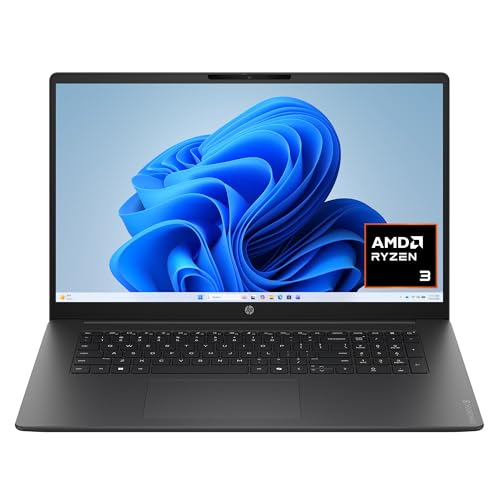
My overall pick for best laptops for music production is the HP OmniBook 3 17.3 inch Laptop PC, FHD Display. The 17.3-inch panel gives you room for a timeline and a mixer side by side, and the 512GB NVMe SSD keeps project files and sample packs loading quickly. My top picks are just below.
Best Laptops for Music Production at a Glance
| Product | PGH Score | ||
|---|---|---|---|
|
Best Overall HP OmniBook 3 17.3-inch Laptop with Ryzen 3 | 9.9 | Check Price on Amazon |

|
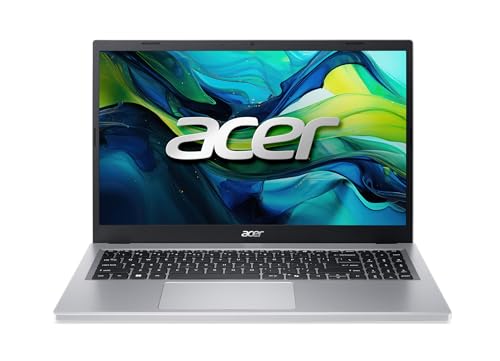
Best for Students Acer Aspire Lite 15 Laptop with 16GB RAM and 256GB | 9.8 | Check Price on Amazon |

|
Apple MacBook Neo 13-inch Laptop with A18 Pro | 9.8 | Check Price on Amazon |

|
Tylvx 15.6 Inch Laptop with 16GB RAM and 512GB SSD | 9.6 | Check Price on Amazon |

|
Lenovo V15 Laptop with Ryzen 5 5500U and 16GB RAM | 9.5 | Check Price on Amazon |

|
Best for Video Editing NIMO 15.6" FHD Laptop with AMD Ryzen 7 8745HS | 9.4 | Check Price on Amazon |
In-Depth Reviews
A 17.3-inch FHD laptop with AMD Ryzen 3, 8GB LPDDR5 RAM, 512GB SSD, and Radeon 610M graphics for everyday work and streaming.
Key Facts
- Key Spec
- 17.3-inch FHD IPS, AMD Ryzen 3 30, 8GB LPDDR5, 512GB SSD
- Connectivity
- Wi-Fi 6, Bluetooth 5.4
- Compatibility
- Windows 11 Home
- Size
- 15.65 x 10.09 x 0.65 inches
Pros
- +Large 17.3-inch FHD IPS screen with wide viewing angles
- +512GB NVMe SSD and 8GB LPDDR5 memory
- +Wi-Fi 6 and Bluetooth 5.4 wireless connectivity
- +FHD camera with HDR auto-switch and AI noise reduction
Cons
- −4.43-pound weight makes frequent travel less comfortable
- −8GB RAM limits heavy multitasking and future headroom
- −Radeon 610M graphics not suited for demanding 3D games
Detailed Review
The 17.3-inch FHD IPS display with 178-degree viewing angles is the standout here, giving students and remote workers a roomy canvas for documents, spreadsheets, and streaming. The AMD Ryzen 3 30 processor and 8GB of LPDDR5 memory handle everyday multitasking, photo editing, and casual gaming without drama.
Storage comes from a 512GB PCIe NVMe M.2 SSD, which keeps boot times and file access quick for a machine in this class. Wi-Fi 6 and Bluetooth 5.4 cover modern wireless needs, and the FHD camera with HDR auto-switch plus AI noise reduction is a practical touch for video calls.
For my money, this suits a student or home-office user who wants a big screen and stays near a desk. The 4.43-pound weight and 8GB RAM ceiling are the real trade-offs to weigh before buying.
Acer Aspire Lite 15 with Intel Core N150, 16GB RAM, 256GB NVMe SSD, and a 15.6-inch FHD IPS anti-glare display for study, work, and daily multitasking.
Key Facts
- Processor
- Intel Core N150, 4 cores, 4 threads, up to 3.7GHz
- Memory
- 16GB RAM
- Storage
- 256GB NVMe SSD
- Display
- 15.6-inch FHD (1920 x 1080) IPS, anti-glare
Pros
- +16GB RAM handles many browser tabs and study apps
- +Full-size numeric keyboard speeds up data entry
- +Wi-Fi 6 and Bluetooth 5.2 for modern wireless connections
- +15.6-inch anti-glare IPS panel with wide viewing angles
Cons
- −256GB SSD fills quickly with large media libraries
- −No mouse included in the box
- −3.92-pound weight adds heft for daily backpack commutes
Detailed Review
The Acer Aspire Lite 15 pairs an Intel Core N150 with 16GB of RAM, which suits dozens of browser tabs, lecture recordings, and document edits at once. A 256GB NVMe SSD keeps the system responsive for textbooks and projects, though that capacity can fill quickly if you store large media libraries.
The 15.6-inch FHD IPS panel uses anti-glare ComfyView coating, so overhead lights and window glare stay manageable during long study sessions. I rate the full-size numeric keyboard a practical addition for spreadsheet work and data entry, and the 3.92-pound body is reasonable for a 15.6-inch laptop but noticeable on daily commutes.
Connectivity covers full-function USB-C, dual USB-A, HDMI 2.1, Wi-Fi 6, and Bluetooth 5.2, which handles most student and remote-work setups without a dongle. For my money, this fits learners and home-office users who need memory headroom more than raw CPU speed.
The MacBook Neo is a 13-inch aluminum laptop running Apple's A18 Pro chip with 8GB unified memory and a 512GB SSD, rated for up to 16 hours of battery life.
Key Facts
- Key Spec
- A18 Pro chip with 8GB unified memory
- Storage
- 512GB SSD
- Display
- 13-inch Liquid Retina, 1 billion colors
- Size
- 8.12 x 11.71 x 0.5 inches
Pros
- +A18 Pro chip with 8GB unified memory for everyday AI work
- +Liquid Retina panel rated to display 1 billion colors
- +1080p FaceTime camera with dual-mic array for calls
- +Two side-firing speakers for streaming and presentations
Cons
- −8GB unified memory limits heavier multitasking headroom
- −One 512GB storage tier with no larger option listed
- −Two side-firing speakers instead of a wider array
Detailed Review
The MacBook Neo runs Apple's A18 Pro chip with 8GB of unified memory, and that pairing is really the story for a 13-inch machine aimed at students and everyday AI use. The 13-inch Liquid Retina panel is rated to display 1 billion colors, which matters for photo edits and slide decks more than raw brightness claims would.
At about 2.7 pounds and half an inch thick, the recycled aluminum shell is easy to slide into a backpack, and the 512GB SSD gives real room for class files and downloads. This works best for a student who wants Apple Intelligence tools close at hand without a heavier machine.
The 8GB of unified memory is the honest ceiling here. Heavy browser tabs, large video projects, and long AI sessions will feel that limit, so I would steer buyers who need that headroom toward a higher-memory machine.
The Tylvx 15.6-inch laptop pairs an Intel 8100Y processor with 16GB dual-channel DDR3 RAM, a 512GB M.2 SATA SSD, and a 1920x1080 IPS display, running Windows 11 Pro.
Key Facts
- Processor
- Intel 8100Y
- Memory
- 16GB DDR3 (8GBx2 dual-channel)
- Storage
- 512GB M.2 SATA SSD
- Display
- 15.6-inch FHD IPS (1920x1080)
Pros
- +Dual-channel 16GB RAM handles heavy tab loads
- +512GB M.2 SATA SSD leaves room for projects
- +Full HD IPS display with wide viewing angles
- +Three USB 3.0 ports plus HDMI and Micro SD
Cons
- −Intel 8100Y is a low-power chip for basic tasks
- −DDR3 memory limits future upgrade flexibility
Detailed Review
The Tylvx 15.6-inch laptop is built around an Intel 8100Y processor, a low-power chip suited to web research, video calls, and document editing rather than heavy creative work. The 16GB of DDR3 RAM in dual-channel is the standout here, and it is the reason this machine can keep dozens of browser tabs and study apps open without constant reloading.
Storage comes from a 512GB M.2 SATA SSD, which covers documents, projects, and a media library with room to spare. The 1920x1080 IPS panel gives wide viewing angles for shared screens or streaming, and the 38Wh battery supports hours of work away from an outlet, though I would keep expectations modest for a full day of heavy use.
For a student or home office setup, this is a sensible pick if the workload stays light. The 3.52-pound chassis and the port set, three USB 3.0, HDMI, Type-C data, and Micro SD, cover everyday connections without adapters.
Lenovo V15 laptop with a 15.6-inch FHD screen, AMD Ryzen 5 5500U hexa-core processor, 16GB RAM, and 512GB NVMe SSD, running Windows 11 Pro.
Key Facts
- Processor
- AMD Ryzen 5 5500U (6 Cores, 12 Threads, up to 4.0GHz)
- Memory
- 16GB RAM
- Storage
- 512GB PCIe NVMe M.2 SSD
- Display
- 15.6-inch FHD (1920 x 1080)
Pros
- +Six-core Ryzen 5 5500U handles everyday multitasking
- +16GB RAM supports many open tabs and apps
- +512GB NVMe SSD provides quick boot and load times
- +RJ45 port allows wired networking without an adapter
Cons
- −3.75-pound weight makes frequent travel less comfortable
- −No dedicated graphics card limits gaming to light titles
- −Windows 11 Pro adds business features some home users ignore
Detailed Review
The Lenovo V15 pairs a 15.6-inch FHD display with an AMD Ryzen 5 5500U, a six-core, twelve-thread chip that fits everyday work and study. The 16GB of RAM and 512GB NVMe SSD keep app switching and file access responsive, which matters when you keep many browser tabs open.
This is at its best for students and remote workers who need a reliable daily driver with a wired RJ45 port and a full numeric keypad. The 3.75-pound weight is worth noting if you carry a laptop all day, and the integrated graphics suit light games rather than demanding titles.
For a home office or dorm desk, the port selection covers HDMI, USB-C, and USB-A without dongles. Just keep the power limits in mind for anything beyond basic gaming.
NIMO 15.6-inch FHD laptop with AMD Ryzen 7 8745HS, 16GB DDR5, 1TB SSD, and a 180-degree lay-flat hinge.
Key Facts
- Processor
- AMD Ryzen 7 8745HS, 8 cores
- Memory
- 16GB DDR5 5600MHz, expandable to 64GB
- Storage
- 1TB PCIe NVMe SSD, expandable to 4TB
- Display
- 15.6-inch FHD, 180-degree hinge
Pros
- +Dual SODIMM and M.2 slots allow user upgrades
- +USB4 and HDMI 2.1 ports cover dual 4K displays
- +100W USB-C PD charger works across laptop, phone, tablet
- +180-degree hinge lays flat for sharing and collaboration
Cons
- −No discrete GPU limits heavy 3D rendering and gaming
- −16GB DDR5 base may be tight for large video projects
- −3.75-pound weight is heavy for frequent carry
Detailed Review
The NIMO 15.6-inch laptop centers on an AMD Ryzen 7 8745HS with Radeon 780M graphics, a 45W chip suited to video editing and light gaming rather than heavy 3D rendering. The dual SODIMM and dual M.2 slots stand out in this price band, letting you move past the 16GB and 1TB base later.
I would point remote workers and students toward the 100W USB-C PD charging, which reaches 50 percent in 30 minutes and can top up a phone or tablet from the same brick. The 15.6-inch FHD panel and 180-degree hinge help when sharing a screen across a desk.
Buyers expecting a discrete GPU for demanding titles should look elsewhere. The 3.75-pound metal build also adds weight for daily commutes.
FAQs
How much RAM do you need for music production?
16GB is the practical floor for a DAW with virtual instruments and effects, and 8GB will start swapping once a session grows. If you mostly record audio tracks and use a few plugins, 8GB can work, but sample-heavy libraries and orchestral templates will push past it quickly. Check whether the RAM is soldered or upgradeable before you buy.
Is a fast SSD important for loading sample libraries?
An NVMe SSD cuts load times for large sample libraries compared with a spinning drive, and it keeps project saves quick during a session. A 512GB drive fills up fast once you add a few instrument collections, so plan on an external drive or a model with a second M.2 slot if you build a big library. The NIMO listing states dual M.2 slots for expansion.
Can a budget laptop handle a full DAW session?
A budget laptop can run a modest DAW session if you keep the plugin count reasonable and freeze tracks when the CPU meter climbs. The trade-off is usually fewer cores and less headroom for heavy virtual instruments. For a home setup with a handful of audio tracks, a lower-cost model is often enough. A creator laptop with more memory and a faster SSD gives you more room to grow.
Do you need a dedicated audio interface with these laptops?
A dedicated audio interface is worth adding for low-latency monitoring and cleaner inputs, and most of these laptops have the USB ports to connect one. Built-in headphone jacks work for casual listening, but an interface gives you proper mic preamps and balanced outputs. Confirm the port type your interface needs before buying.
Final Thoughts
For music production, the deciding factors are memory, storage speed, and a screen big enough to see your timeline without squinting. A laptop that covers those three will keep a session running without the constant worry of a buffer dropout.
The HP OmniBook 3 17.3 inch Laptop PC, FHD Display is my pick for a home studio where the laptop stays on a desk most of the time. The large display and 512GB NVMe SSD suit long editing sessions, and the AMD Ryzen 3 30 processor handles everyday production tasks. If you want to spend less, the Tylvx Laptop Computer,2026 15.6 Inch Lap Top covers the basics with 16GB of RAM and a 512GB SSD for lighter sessions. Skip both if you plan to run huge orchestral templates or need Thunderbolt for a high-end interface, and look at a machine with more cores and expansion instead. For a broader look at machines built around creative work, see the laptops for creators category. Check the current price on Amazon, and the right pick should remove the guesswork about whether your session will hold up.