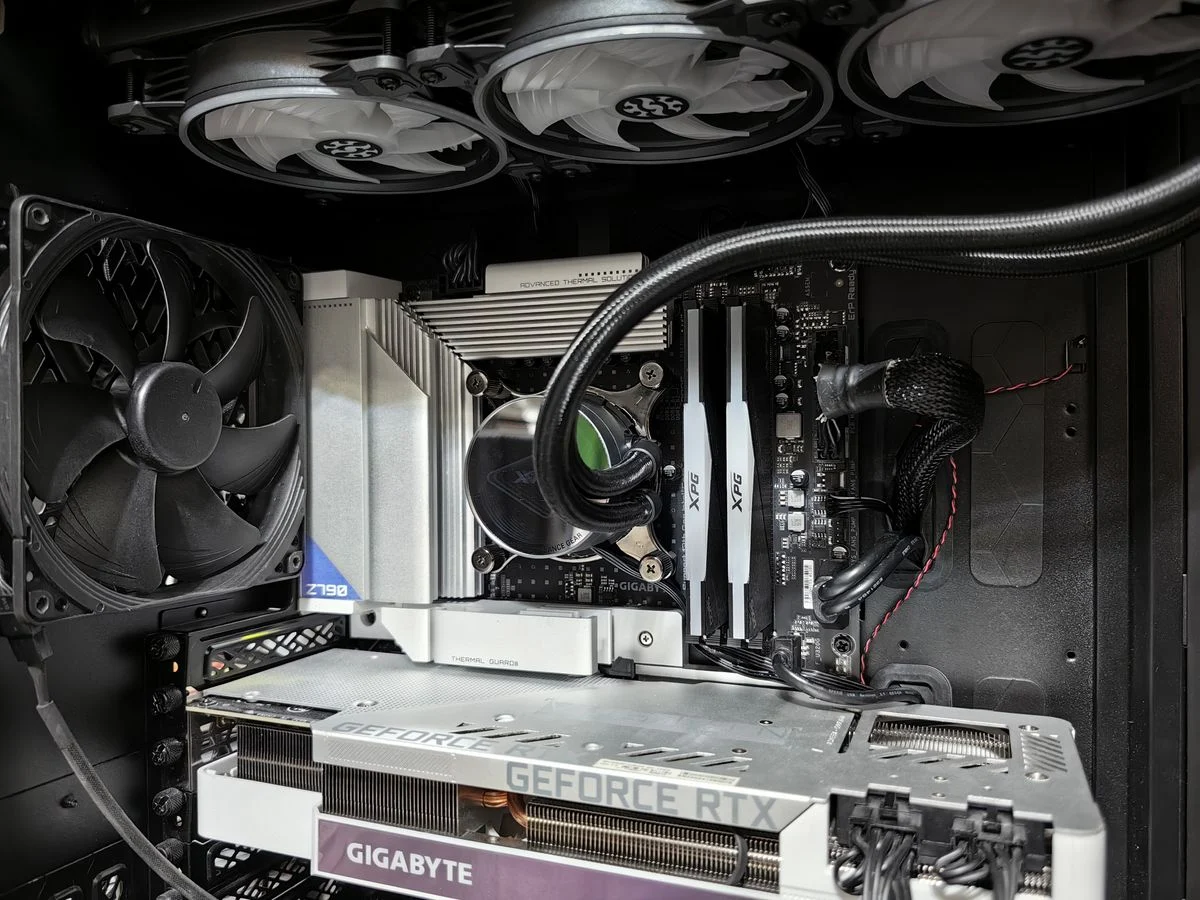
You update GPU drivers by downloading the latest package from your graphics card maker and running its installer, or by letting Windows Update or your card maker's control panel handle it. The safe path is to identify your exact GPU model first, then install the driver that matches it, then restart and confirm the new version is active.
Most people can do this in under ten minutes. The tricky parts are picking the right driver for your card and platform, and knowing when a clean install is worth the extra effort. I based this guide on manufacturer manuals and spec sheets, published standards such as PCIe, USB, and ATX, and widely documented PC building practice.
When You Need to Update GPU Drivers and Why It Matters
A graphics driver is the software layer between your games and apps and the GPU itself. New drivers often add support for recently released games, fix rendering bugs, and improve stability. They can also patch security issues in the driver stack.
You do not need to install every driver the day it appears. A good rule is to update when a game you play launches with known issues, when you see visual glitches or crashes, or when your card maker ships a driver that specifically lists a fix for your GPU. If your system is stable and you are mid project, waiting a few days is reasonable.
Signs a Driver Update Is Worth Doing
- Games crash to desktop or show artifacts such as flickering textures.
- A newly released game warns that your driver is out of date.
- Your display resolution or refresh rate options look wrong after a Windows update.
- Your card maker's control panel shows a newer version is available.
Who can skip it: if your PC is working well and you are not chasing a specific bug, you can wait. Who should prioritize it: laptop owners on newer platforms, anyone using a card for creative apps, and players who just bought a demanding title. If you are also shopping for a display upgrade, my roundup of graphics cards for 1440p gaming is a useful next read after your driver is current.
What You Need Before You Start
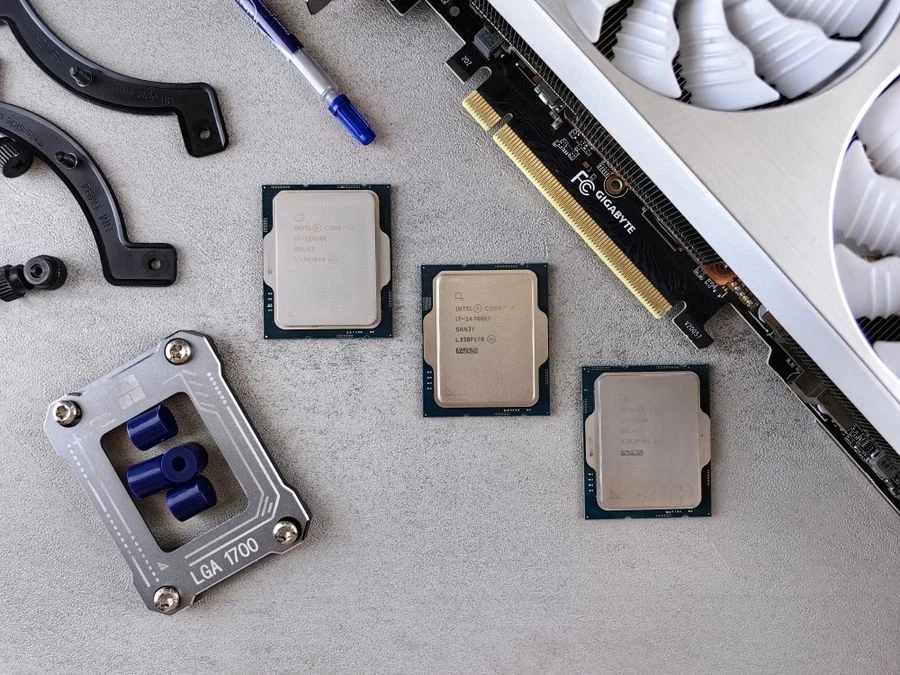
Gather these items first so you are not hunting for them mid install. None of them are expensive, and most are already on your PC.
- Your exact GPU model and current driver version, found in Settings or your card maker's control panel.
- A stable internet connection and enough free storage for the installer.
- The card maker's official driver page or control panel app.
- Administrator access to your Windows account.
- A restore point or a note of your current driver version, in case you need to roll back.
Find Your GPU Model and Current Driver
On Windows, open Settings, then System, then Display, then Advanced display, and look for the adapter name. You can also open Task Manager and check the Performance tab. Write down the model and the driver version shown there. On macOS, open System Settings, then General, then System Report, and check the Graphics/Displays section.
For laptops, use the laptop maker's support page first. Some laptop GPUs use customized drivers, and the generic driver from the chip maker may not include the power and thermal profiles your model needs. The manual or support page will say which driver source is supported.
[cog_pick asin=”B0DRRMZDH6″ guide=”1271″]
How to Update GPU Drivers Step by Step
Follow these steps in order. The process is similar across Windows and macOS, but the menus differ. When in doubt, follow the instructions on your card maker's official driver page.
- Identify your GPU and current driver version. Use Settings, Task Manager, or System Report as described above. Note the model exactly, including any laptop suffix.
- Download the correct driver package. Go to your card maker's official driver page and enter your model and operating system. Download the installer to your Downloads folder. Do not use third party driver sites.
- Close games and heavy apps. Save your work and exit anything using the GPU. A driver install can interrupt display output for a moment.
- Run the installer as administrator. Right click the file and choose Run as administrator. Follow the prompts and accept the license terms. If the installer offers a clean install option, use it when you are replacing a driver after problems.
- Choose the install type. A standard install keeps your settings. A clean install removes old driver files first, which helps when you have had crashes or artifacts. Either way, let the installer finish without rebooting early.
- Restart your PC. A restart is usually required. After it boots, open your card maker's control panel and confirm the new version number matches what you downloaded.
- Test a game or app. Launch something you use often and check for glitches. If the new driver causes problems, roll back using Device Manager or the card maker's rollback option.
| Platform | Where To Get The Driver | Notes |
|---|---|---|
| Windows desktop with a dedicated card | Card maker's official driver page or control panel app | Use the clean install option after repeated crashes. |
| Windows laptop | Laptop maker's support page first | Customized drivers may be required for power and thermal profiles. |
| macOS | System Settings, then General, then Software Update | GPU drivers arrive with macOS updates; check the App Store for card maker utilities if offered. |
| Windows with integrated graphics | Windows Update or the CPU maker's driver page | Match the driver to your exact processor generation. |
If you prefer a control panel app, install it from the card maker's official site and let it check for updates. That is convenient for routine updates, but I still recommend confirming the version number manually after each install.
Common Mistakes to Avoid
These are the errors that most often turn a simple update into a long afternoon. Avoid them and the process stays boring, which is what you want.
- Downloading from a third party driver site. Those packages can be outdated or bundled with unwanted software. Always use the card maker or laptop maker's official page.
- Installing a desktop driver on a laptop. Laptop GPUs often need customized drivers. Check the laptop maker's support page before installing the generic package.
- Skipping the restart. Some installers finish without a prompt, but the new driver may not load until you reboot. Confirm the version number after restarting.
- Ignoring a failed install and rebooting repeatedly. If the installer errors out, note the error code and check the card maker's support page. Repeated attempts without cleanup can leave conflicting files.
- Updating during a storm or on a flaky connection. An interrupted download or install can corrupt driver files. Use a stable connection and avoid interrupting the process.
When to Get Help Instead of Doing It Yourself
Most driver updates are routine. There are situations where a professional or the manufacturer's support channel is the better path.
- Your laptop is under warranty and the maker requires authorized service for driver or firmware changes.
- You see a black screen or repeated crashes after an update and rollback does not restore normal output.
- You are updating firmware or a BIOS as part of the process. A BIOS update should never be interrupted, and some makers require a specific sequence.
- You are on a managed work PC where IT controls driver versions.
For warranty and software licensing questions, read the manufacturer or software publisher terms. If you need to open the case for any reason, shut down, switch off the PSU, and unplug the PC first. Ground yourself by touching bare metal on the case or wearing an anti-static wrist strap before handling parts, and follow the motherboard and component manuals for slots, connectors, and compatibility.
Frequently Asked Questions
How often should you update GPU drivers?
Update when a game or app has a known issue, when your card maker lists a fix for your model, or every few months for routine maintenance. You do not need every release, and skipping one is fine if your system is stable.
Can you update GPU drivers without a card maker app?
You can download the installer directly from your card maker's official driver page, which avoids installing a control panel app. The manual method works on Windows and macOS, though macOS usually delivers GPU drivers through system updates.
What should you do if a GPU driver update fails?
Note the error code, restart, and try the installer again as administrator. If it still fails, use the clean install option or roll back to your previous driver version, then check the card maker's support page for guidance.
Does updating GPU drivers erase your settings?
A standard install usually keeps your display and game profile settings. A clean install removes old driver files and may reset custom profiles, so note any settings you want to restore before you begin.
Final Thoughts
The most important takeaway is to match the driver to your exact GPU model and platform, then confirm the new version after a restart. That single habit prevents most update problems.
Keep a note of your current driver version before you start, and roll back if a new release causes trouble. A boring, verified update is the goal.